

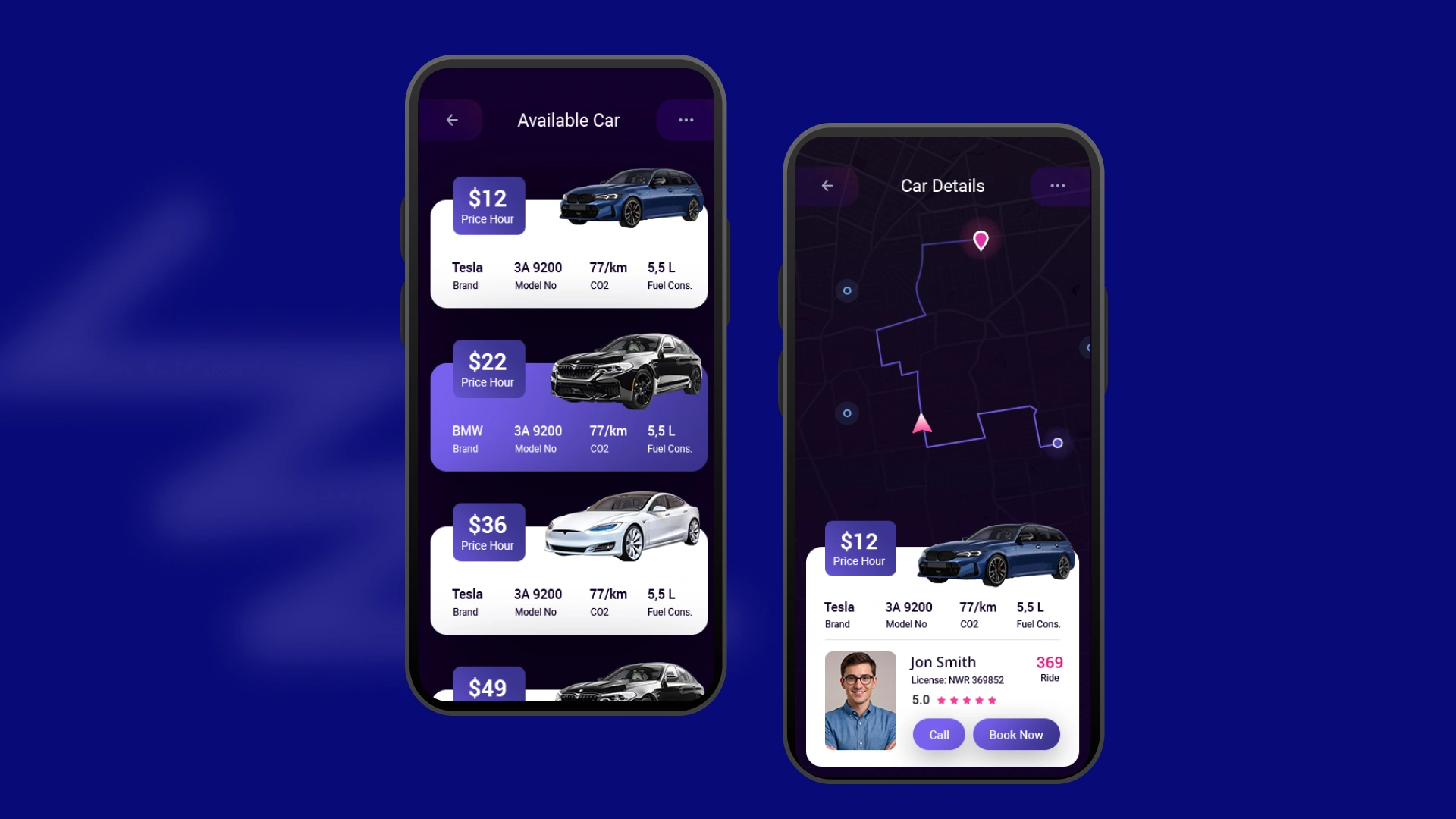
Remember when your biggest monthly transportation decisions were about gas or maybe a bus pass? Well, buckle up. The way we access cars—heck, the way we think about mobility itself—is undergoing a quiet revolution. It’s shifting from a product you buy to a service you subscribe to, just like your Netflix or your meal kits.
This isn’t just fancy car rental. Subscription-based car ownership and mobility services are fundamentally reimagining our relationship with the vehicle. For a flat monthly fee, you get a car, insurance, maintenance, and sometimes even roadside assistance. It’s all bundled. No haggling at a dealership, no surprise repair bills, and often, the freedom to swap models. Let’s dive into why this model is accelerating into the mainstream.
Why Now? The Perfect Storm Driving Change
Several powerful currents have converged to make this model not just possible, but incredibly appealing. Honestly, it was a matter of time.
The Burden of Traditional Ownership
Let’s be real: owning a car can be a pain. The upfront cost is staggering. Depreciation hits like a ton of bricks the moment you drive off the lot. Then there’s insurance, registration, oil changes, tires… it’s a constant drip of expense and admin. For many, especially in cities, a car sits idle 95% of the time. That’s an expensive parking ornament.
A Generation That Prefers Access Over Assets
Millennials and Gen Z are leading the charge here. They’ve grown up in the “sharing economy” with Uber and Airbnb. The idea of tying up huge capital in a depreciating asset feels… outdated. They value flexibility, minimalism, and experiences. Why commit to one car for five years when your life—your needs, your job, even your hobbies—might change in twelve months?
Technology as the Great Enabler
None of this works without sophisticated tech. Seamless apps handle everything from sign-up to vehicle delivery. Telematics track usage for pay-as-you-drive insurance. Fleet management software ensures maintenance and swaps run smoothly. It’s the invisible engine under the hood, making a complex service feel simple.
Navigating the Service Menu: What’s Actually on Offer?
Not all subscriptions are created equal. The market has sort of… splintered into different lanes. Here’s a quick breakdown of the main models you’ll encounter.
| Service Type | How It Works | Ideal For |
| Single-Vehicle Subscription | One car, one monthly fee, long-term commitment (6-12 months). Like a lease, but all-inclusive. | Someone who wants a specific car without the long-term loan or lease paperwork. |
| Multi-Vehicle Swap Subscription | Access to a fleet; swap vehicles monthly or quarterly. Drive an SUV for a ski trip, a convertible in summer. | The experience-driven driver who gets bored or has varying lifestyle needs. |
| All-Access Mobility Membership | A blend of services: car-sharing, ride-hailing, bike rentals, and even public transit credits, all in one app. | Urban dwellers who need different tools for different trips. The ultimate in flexible, multi-modal transport. |
That last one is particularly fascinating. It acknowledges that sometimes you need a pickup truck, sometimes an e-bike, and sometimes just a backseat in an Uber. It turns your phone into a universal mobility key.
The Real Deal: Pros, Cons, and the Fine Print
Is a car subscription right for you? Well, here’s the honest scoop. The benefits are compelling, but you’ve gotta read the fine print.
The Shiny Upsides
Predictable Costs: One monthly payment covers (almost) everything. Budgeting becomes a breeze. No nasty financial surprises from the service center.
Ultimate Flexibility: Life changes? Your car can too. Need more space for a growing family? Book a swap. Moving across the country? Many services are national, allowing you to transfer or cancel with relative ease compared to breaking a lease.
Hassle-Free Maintenance: They handle the scheduling, the loaner car, the paperwork. You just drop it off or, in some cases, they pick it up. It’s a huge weight off your mind.
The Potential Speed Bumps
The Cost Question: Over a very long period, subscribing will almost always cost more than owning a car outright. You’re paying for convenience and flexibility—which, for many, is worth every penny. But it’s not necessarily a way to save money.
Mileage Caps: Most plans have them. Go over, and you’ll pay per-mile fees that can add up quickly. Heavy commuters need to do the math.
Vehicle Availability: Want to swap to that popular electric SUV for a holiday weekend? So does everyone else. High-demand vehicles can be, well, in high demand. You might not always get your first choice.
And then there’s the approval process. It can be as stringent as a traditional lease, with credit checks and upfront fees. It’s not a free-for-all.
Where Is This All Heading? The Road Ahead
The trajectory is pretty clear. As electric vehicles (EVs) become the norm, subscriptions make even more sense. Why worry about charging tech evolving or battery degradation? Let the subscription company handle that obsolescence risk. You just enjoy the latest tech.
We’re also going to see deeper integration. Imagine your car subscription app talking to your smart calendar, suggesting a smaller car for your solo work week and booking a larger one automatically for your planned family road trip. It becomes a proactive mobility assistant.
That said, the model won’t kill traditional ownership. For some, the emotional connection to “their” car, the customisation, the sheer love of the machine—that won’t go away. And in rural areas with fewer options, ownership still reigns supreme.
But for a massive chunk of the population, the question is shifting. It’s no longer “what car should I buy?” but “what kind of access do I need?” The vehicle is becoming less a symbol of personal identity and more a utility, a tool seamlessly woven into the fabric of daily life. A service, not a shrine. And that, you know, is a pretty significant turn in the road.